The Ultimate Ceiling Fan Buying Guide
Date Published: – Last Updated:
If stuffy rooms and uneven temperatures are making your home uncomfortable, a stylish ceiling fan can be a simple and effective solution. Ceiling fans do more than just enhance your décor—they improve airflow, increase energy efficiency, and help maintain a consistent temperature throughout your home. For homeowners who value both comfort and design, a well-chosen ceiling fan is a smart investment.

Why Ceiling Fans Are Worth It
Modern ceiling fans strike a balance between form and function. Available in a wide range of styles, they can complement virtually any interior while also reducing reliance on heating and cooling systems. By improving air circulation, ceiling fans help lower energy costs and make rooms feel more comfortable year-round. Whether you’re updating a single room or planning a full home refresh, adding ceiling fans is a practical way to enhance both style and efficiency.
Ceiling Fan Buying Guide: What You Need to Know
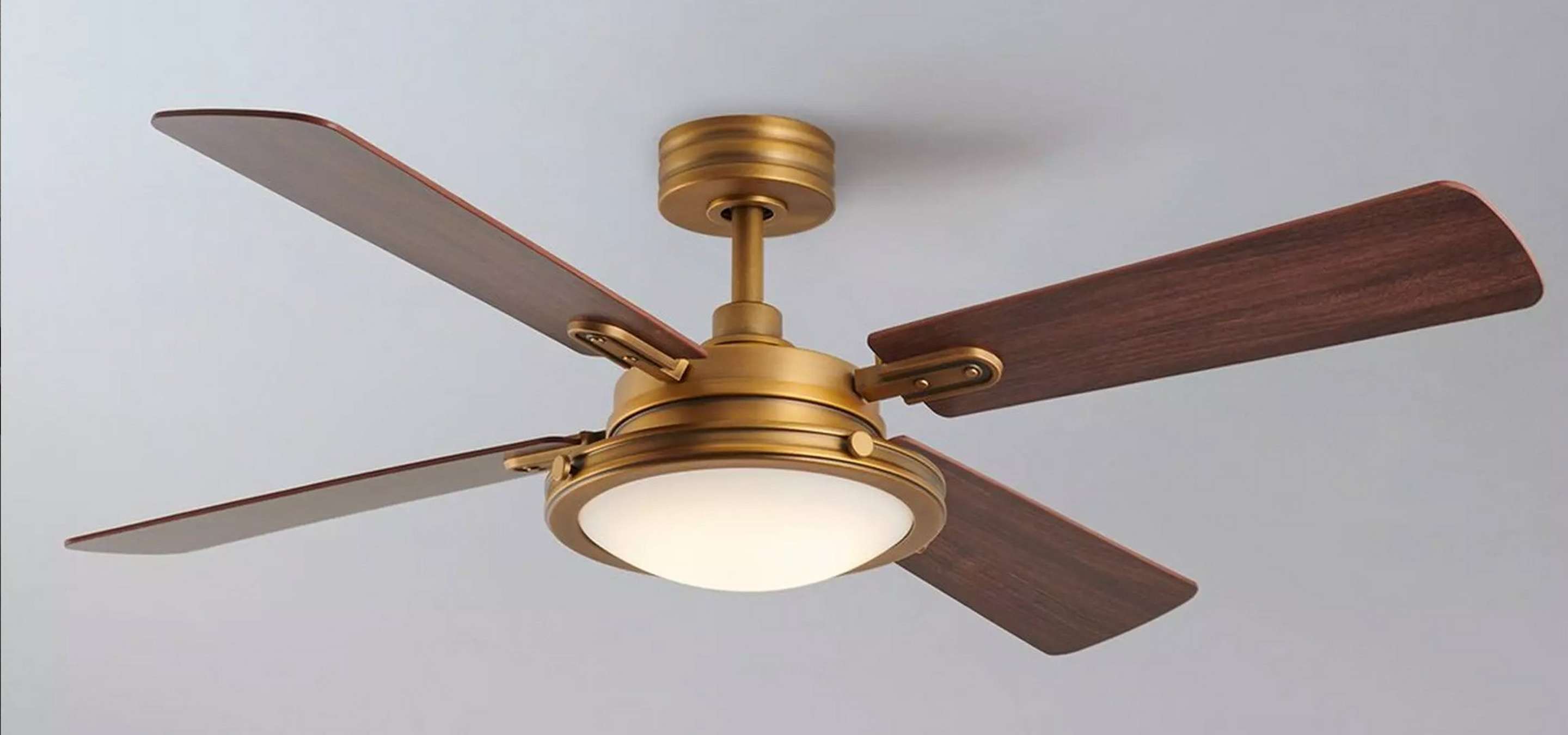
If you’re new to shopping for ceiling fans, the variety of technical specifications can feel overwhelming. Beyond appearance, each fan differs in motor type, blade configuration, airflow capacity, and control options. These features all work together to determine how efficiently the fan operates and how well it suits your space. Taking the time to understand these basics will make it much easier to choose a fan that meets your needs without sacrificing style.
How to Choose the Right Ceiling Fan Size
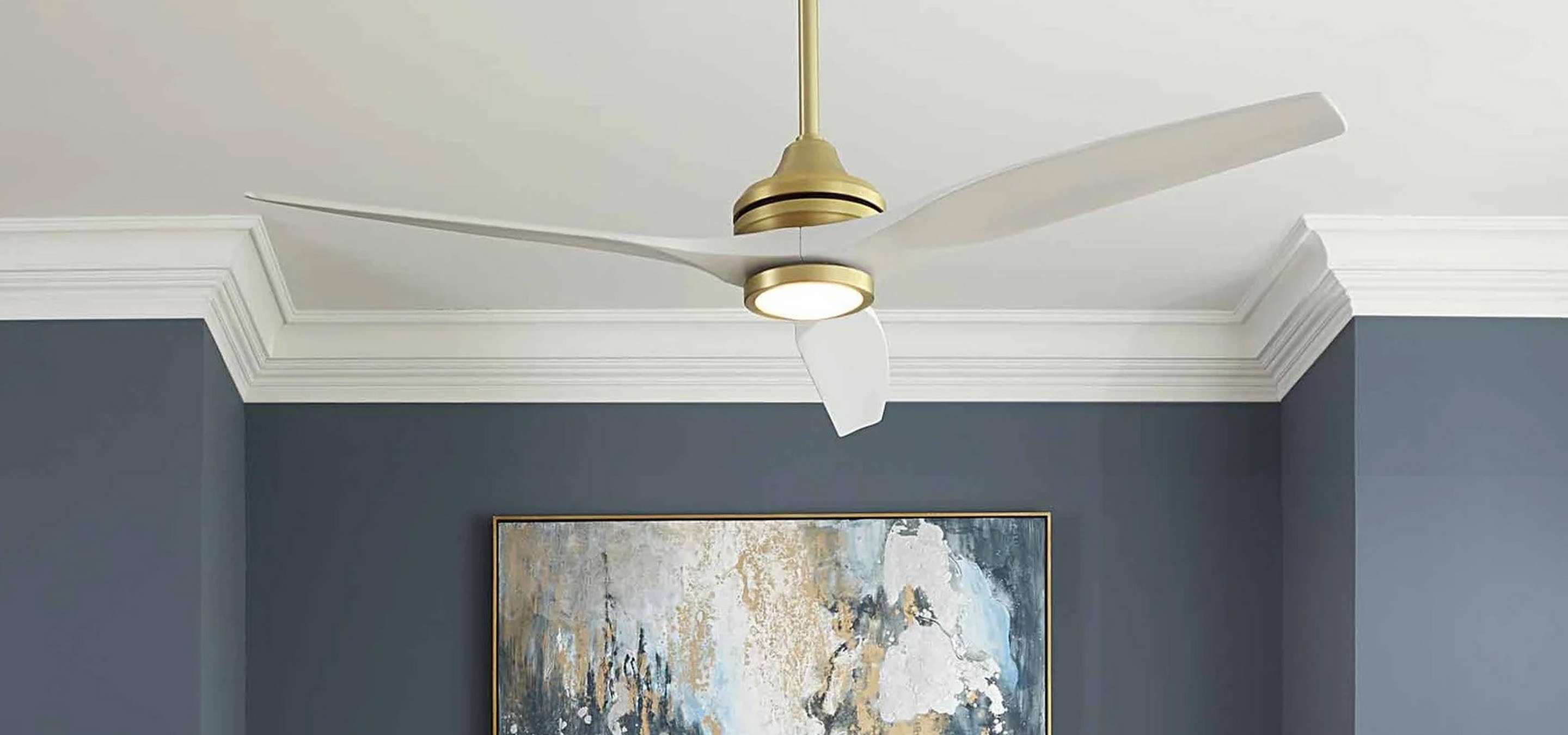
Selecting the correct ceiling fan size is the most important step in the process. The key measurement to focus on is the blade span, or diameter, which determines how much air the fan can move. Unlike height, which can often be adjusted, the diameter is fixed—so choosing the right size from the start is essential.
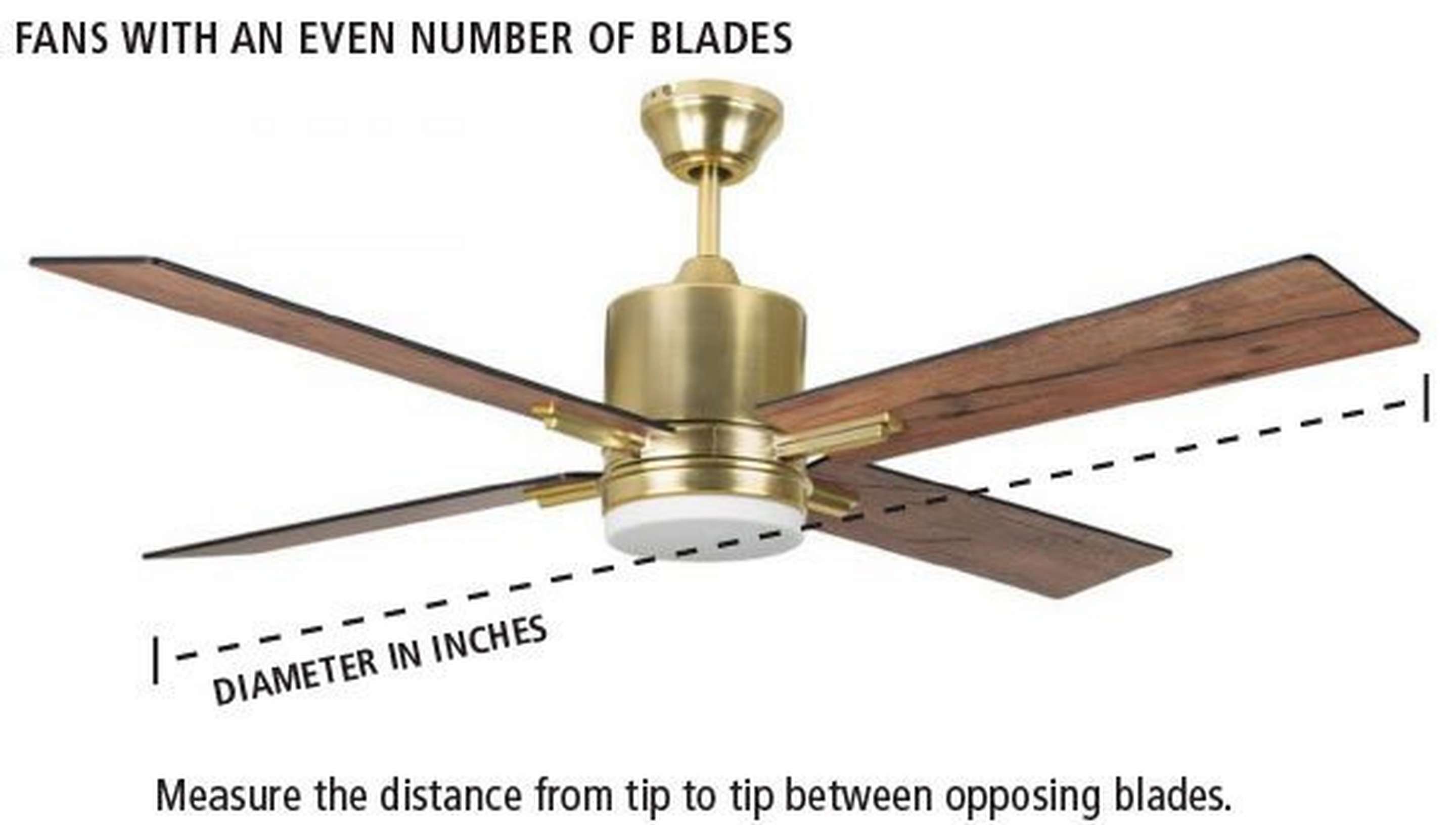
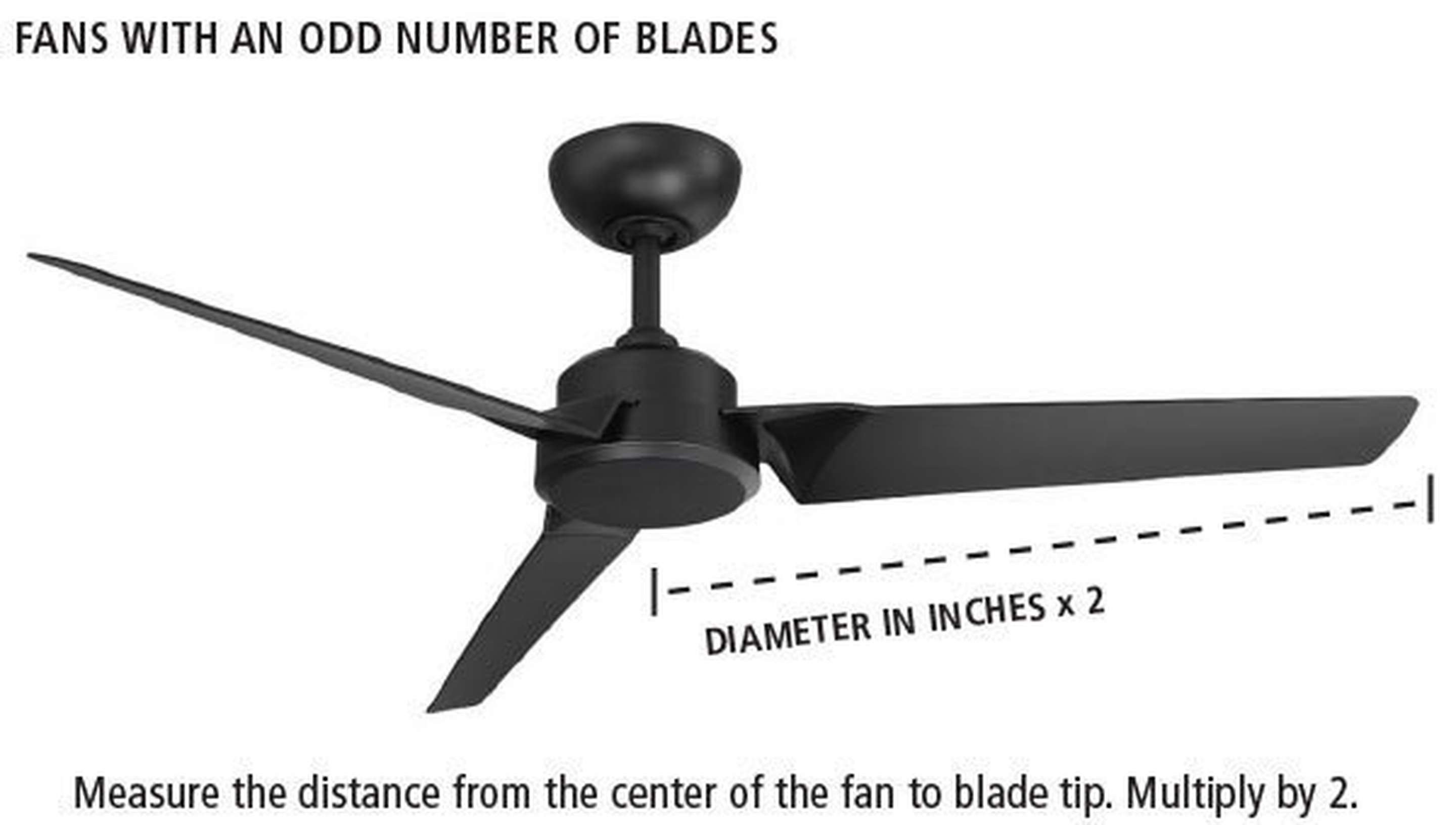
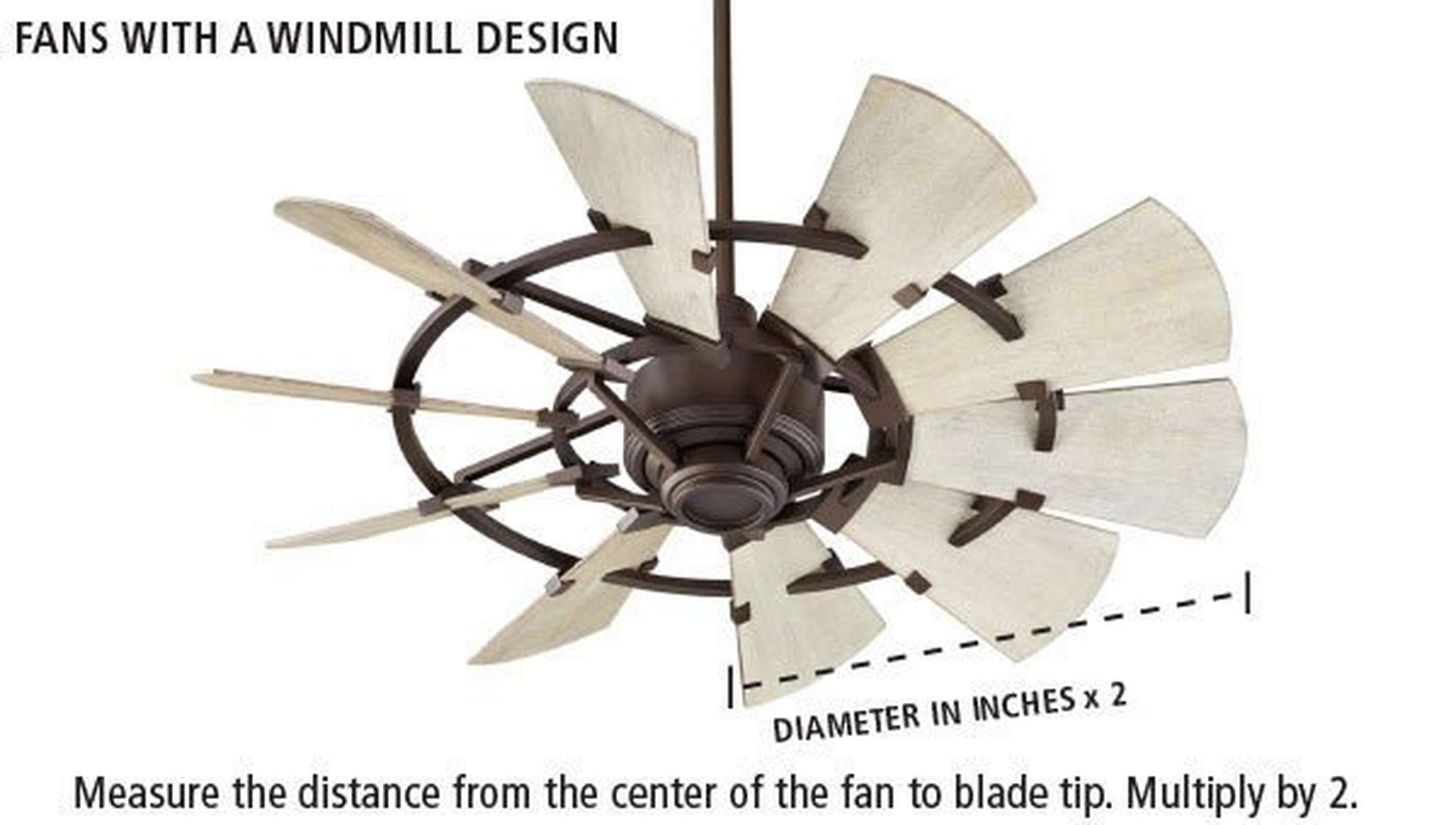
To determine the appropriate size, begin by calculating your room’s square footage. Measure the length and width of the room in feet and multiply those numbers together. Once you have that figure, you can match it to a recommended fan size. Smaller rooms up to 75 square feet typically work best with fans around 29 to 30 inches, while medium-sized rooms benefit from 42-inch fans. Larger spaces often require 52-inch or even 60-inch fans, and rooms over 400 square feet may need multiple fixtures to achieve proper airflow.
- Room length [feet] x Room width [feet] = Square footage [Sq ft]
| Room Size in Square Feet | ≤ 75 SQ FT | 76-149 SQ FT | 150-249 SQ FT | 250-400 SQ FT |
|---|---|---|---|---|
| Ceiling Fan Diameter | 29” or 30” fan blade span | 42” fan blade span | 52” fan blade span | 54” to 60” fan blade span |
Placement also matters. For optimal performance, ceiling fans should be installed near the center of the room and positioned at least 12 to 18 inches away from walls.
Ceiling Fan Height and Downrod Guidelines
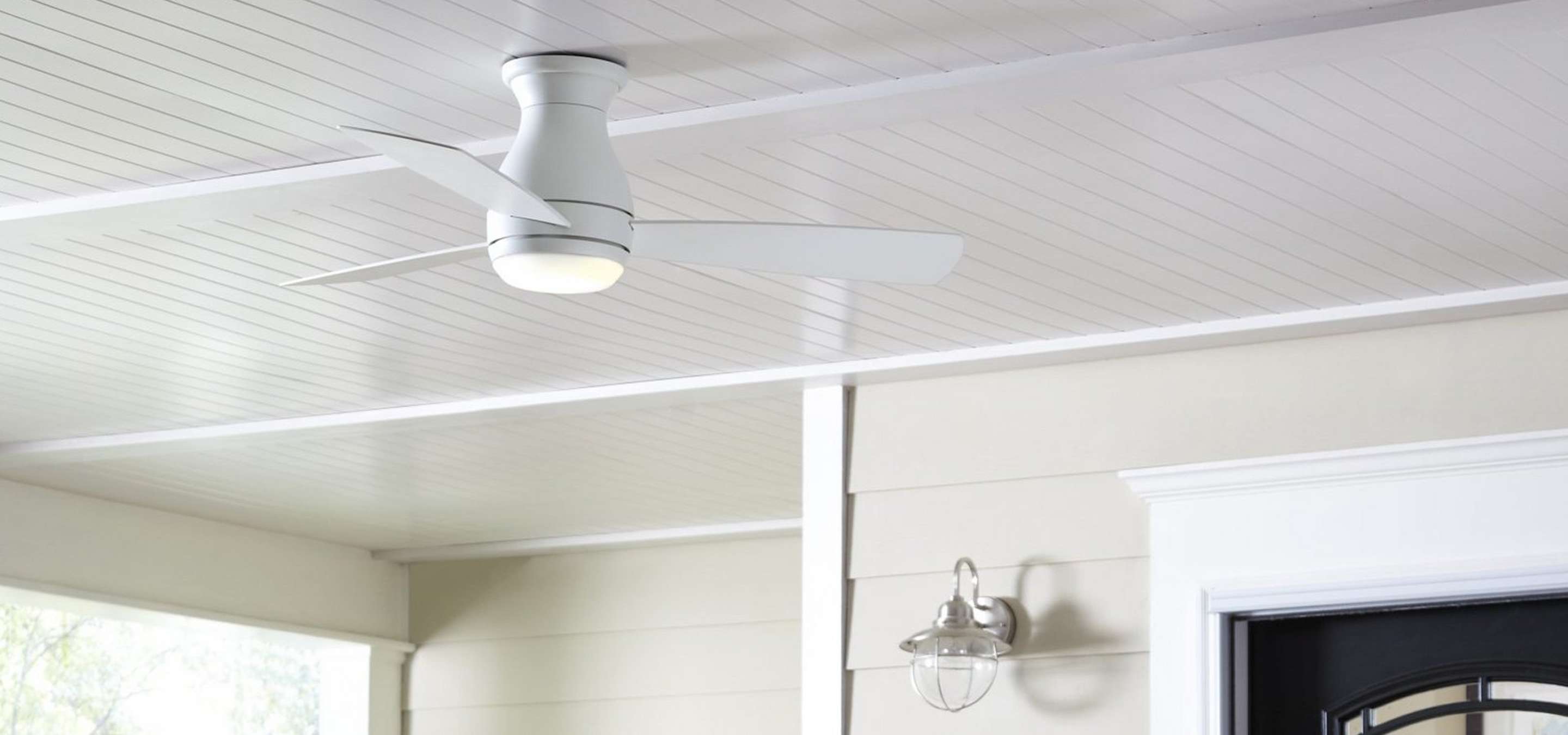
In addition to diameter, ceiling fan height plays a critical role in both safety and performance. Ideally, the fan blades should be positioned between seven and nine feet above the floor. This height ensures efficient airflow while preventing the fan from becoming a hazard.
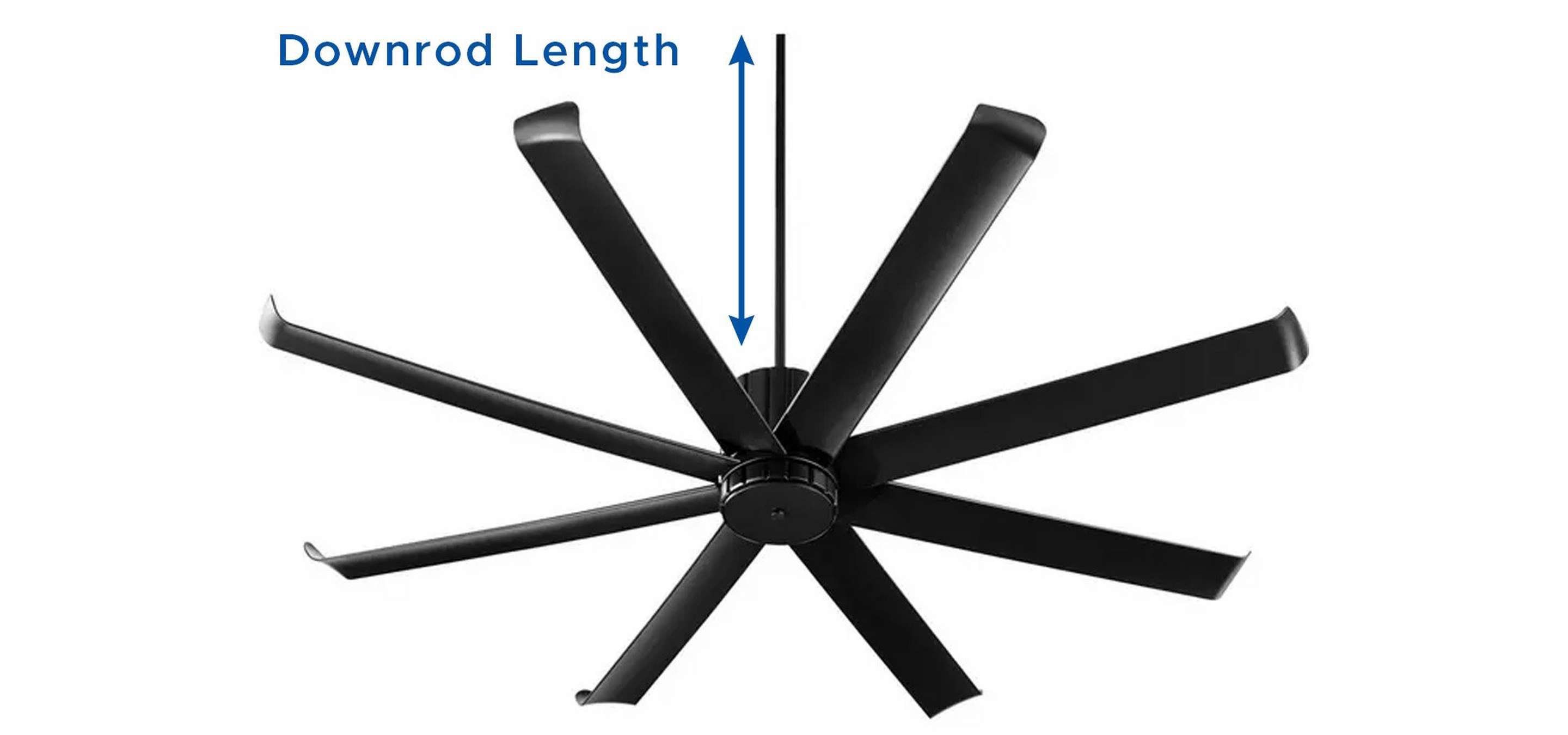
Downrods allow you to adjust the hanging height of your fan, making them especially useful for rooms with higher ceilings. For standard eight-foot ceilings, a flush mount or “hugger” fan is usually the best choice, as it sits close to the ceiling. As ceiling height increases, longer downrods are needed to maintain the ideal blade height. In rooms with vaulted or sloped ceilings, it’s important to choose a fan specifically designed for angled installation to ensure both stability and proper operation.
| Conventional (Flat) Ceiling | |
|---|---|
| Ceiling Height | Recommended Downrod |
| 8ft Ceiling | No Downrod |
| 9ft Ceiling | 6-inch Downrod |
| 10ft Ceiling | 12-inch Downrod |
| 11ft Ceiling | 18-inch Downrod |
| 12ft Ceiling | 24-inch Downrod |
| 13ft Ceiling | 36-inch Downrod |
| 14ft Ceiling | 36-inch Downrod |
| 15ft Ceiling | 48-inch Downrod |
| 16ft Ceiling | 48-inch Downrod |
| 18ft Ceiling | 60-inch Downrod |
| 20ft Ceiling | 72-inch Downrod |
| Sloped Ceiling | |
|---|---|
| Pitch (Rise/Run) | Minimum Downrod |
| 1/12 | Standard |
| 2/12 | 6-inch Downrod |
| 1/12 | 12-inch Downrod |
| 1/12 | 12-inch Downrod |
| 5/12 | 18-inch Downrod |
| 6/12 | 18-inch Downrod |
| 7/12 | 24-inch Downrod |
| 8/12 | 24-inch Downrod |
| More than 8/12 | 36-inch Downrod |
If you have sloped or vaulted ceilings, you should also be sure your ceiling fan is equipped to handle that challenge. Look for fans marked ‘sloped ceiling compatible’ to be sure your fan can be safely installed where you need it.
How Many Blades Should a Ceiling Fan Have?
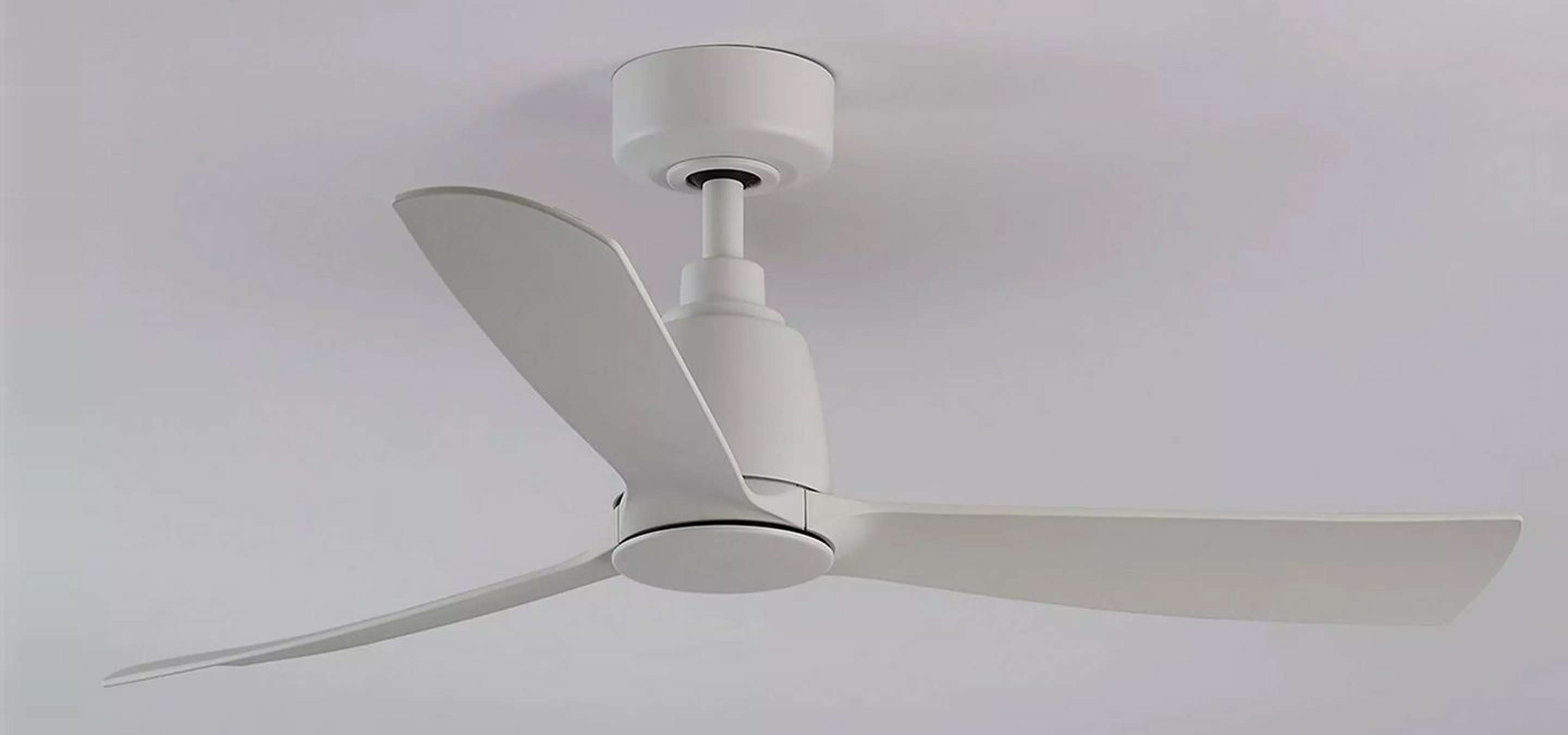
Ceiling fan blades are one of the most noticeable design elements, but they also influence performance. Today’s fans come in a wide variety of blade shapes and styles, ranging from sleek, modern designs to rustic or industrial looks. Some fans feature just two or three blades for a minimalist appearance, while others incorporate multiple blades for a more dramatic visual effect.
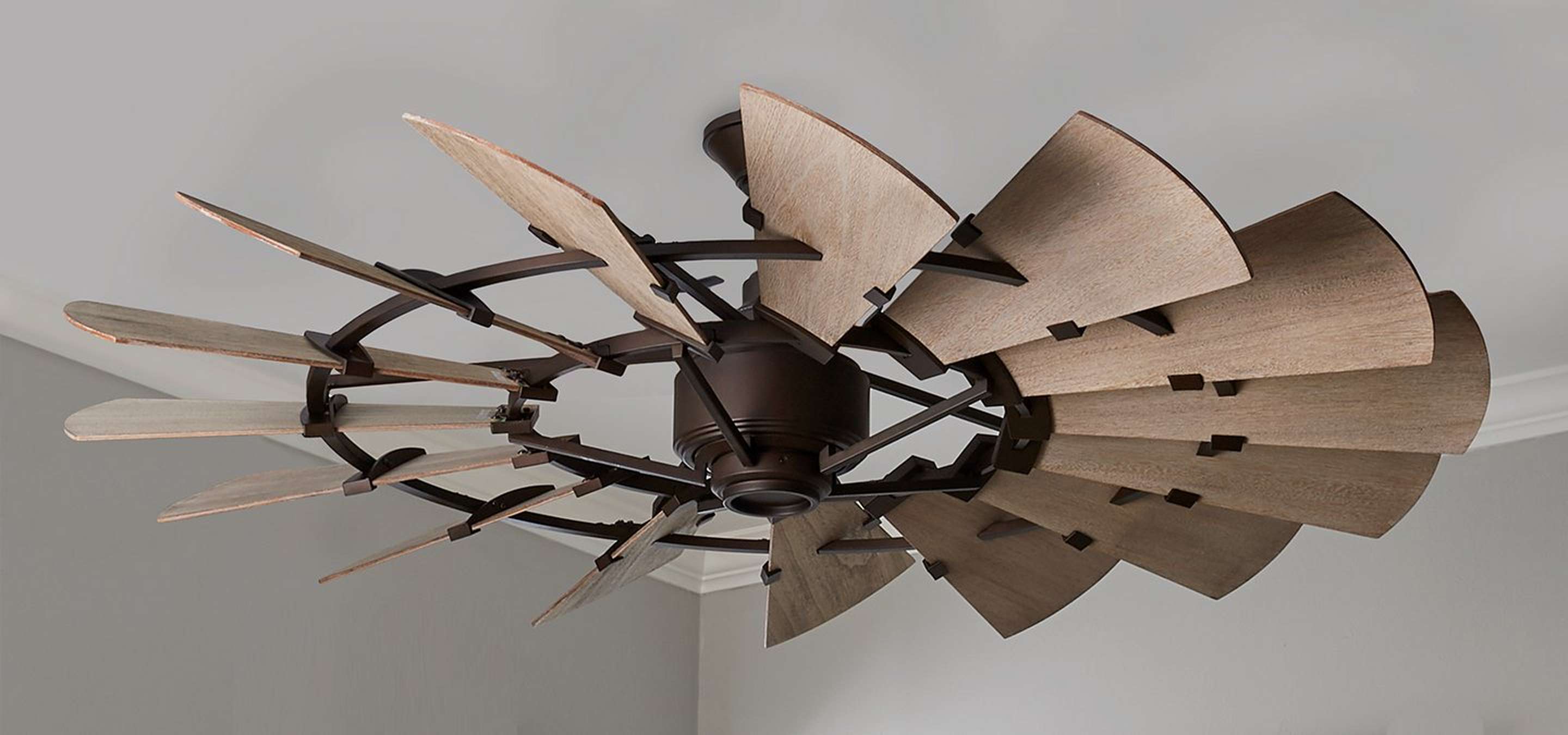
Despite common assumptions, more blades don’t always mean better performance. Airflow depends on a combination of factors, including motor strength, blade pitch, and overall design. This means you can prioritize aesthetics without necessarily sacrificing efficiency.
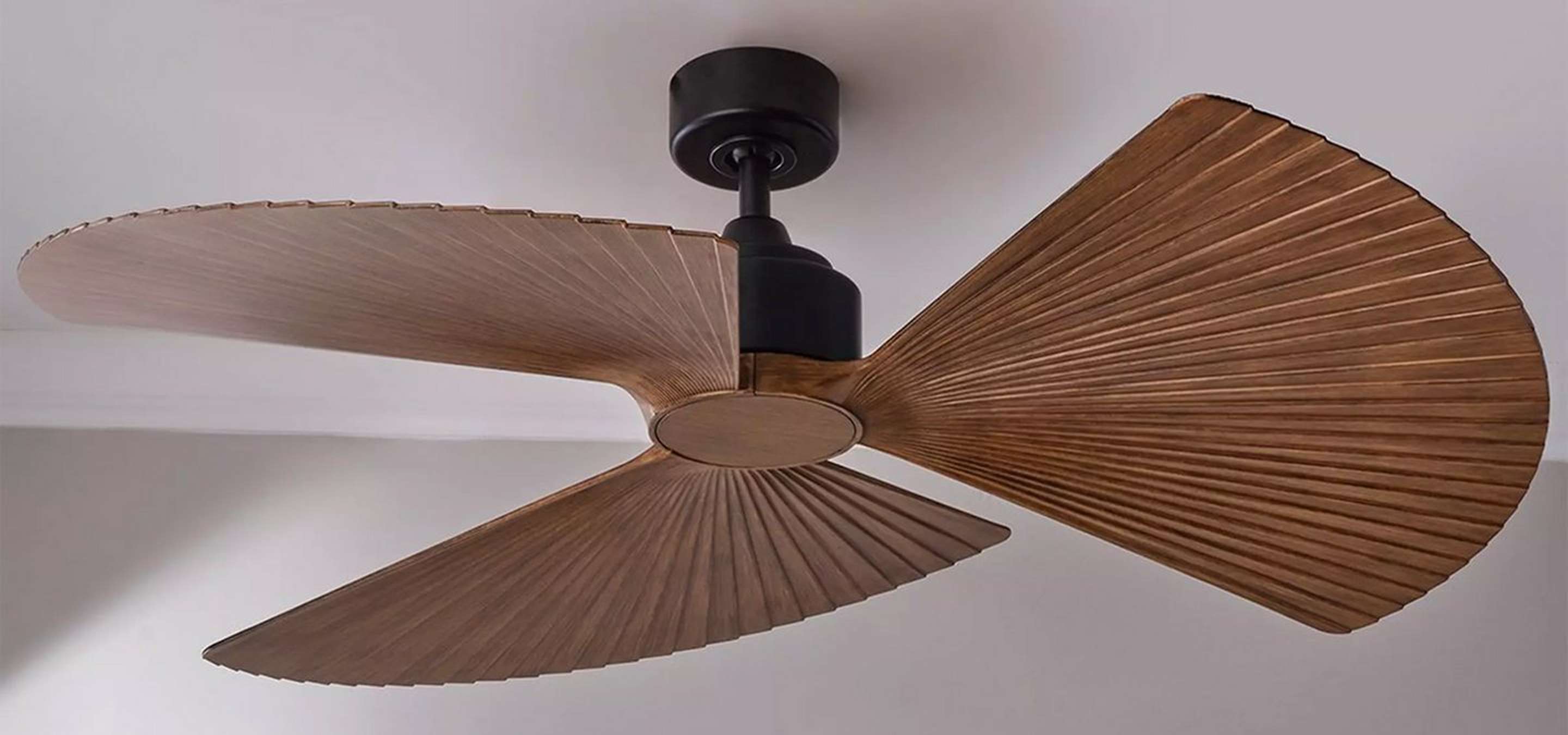
Blade pitch, or the angle of the blades, is another important consideration. Fans with steeper blade angles typically move more air, while flatter blades create a gentler breeze. If strong airflow is a priority, look for a fan with a pitch of at least 12 degrees.
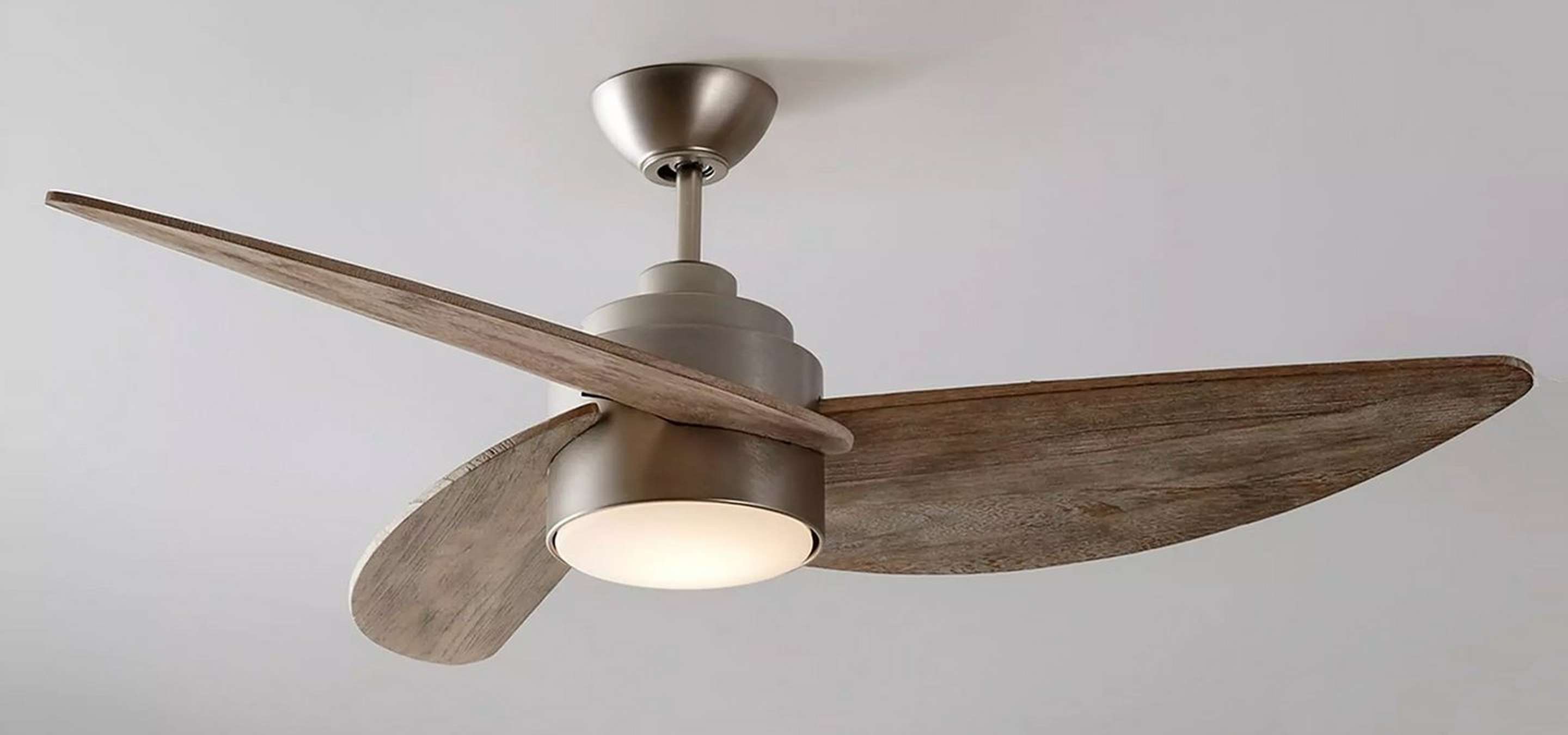
Ceiling Fan Performance and Efficiency
When comparing ceiling fans, airflow and efficiency ratings provide valuable insight into performance. Airflow is measured in cubic feet per minute (CFM), which indicates how much air the fan can move at its highest speed. Higher CFM values generally mean stronger airflow, making them ideal for larger spaces or outdoor areas.
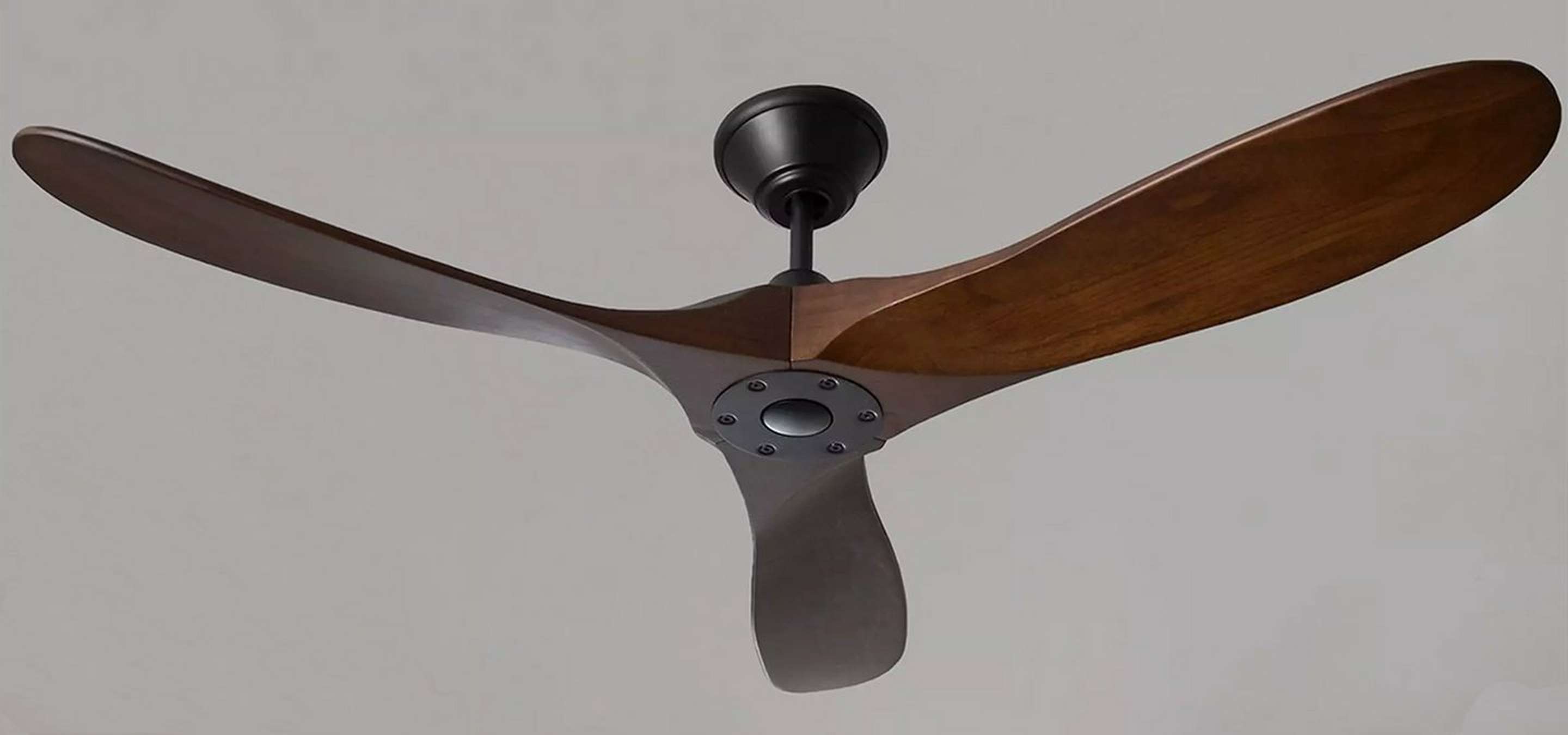
Efficiency is measured in CFM per watt (CFM/W), which reflects how effectively the fan uses energy. A higher number indicates better efficiency, and fans with ENERGY STAR ratings are among the most efficient options available. These models can significantly reduce energy consumption while still delivering excellent performance.
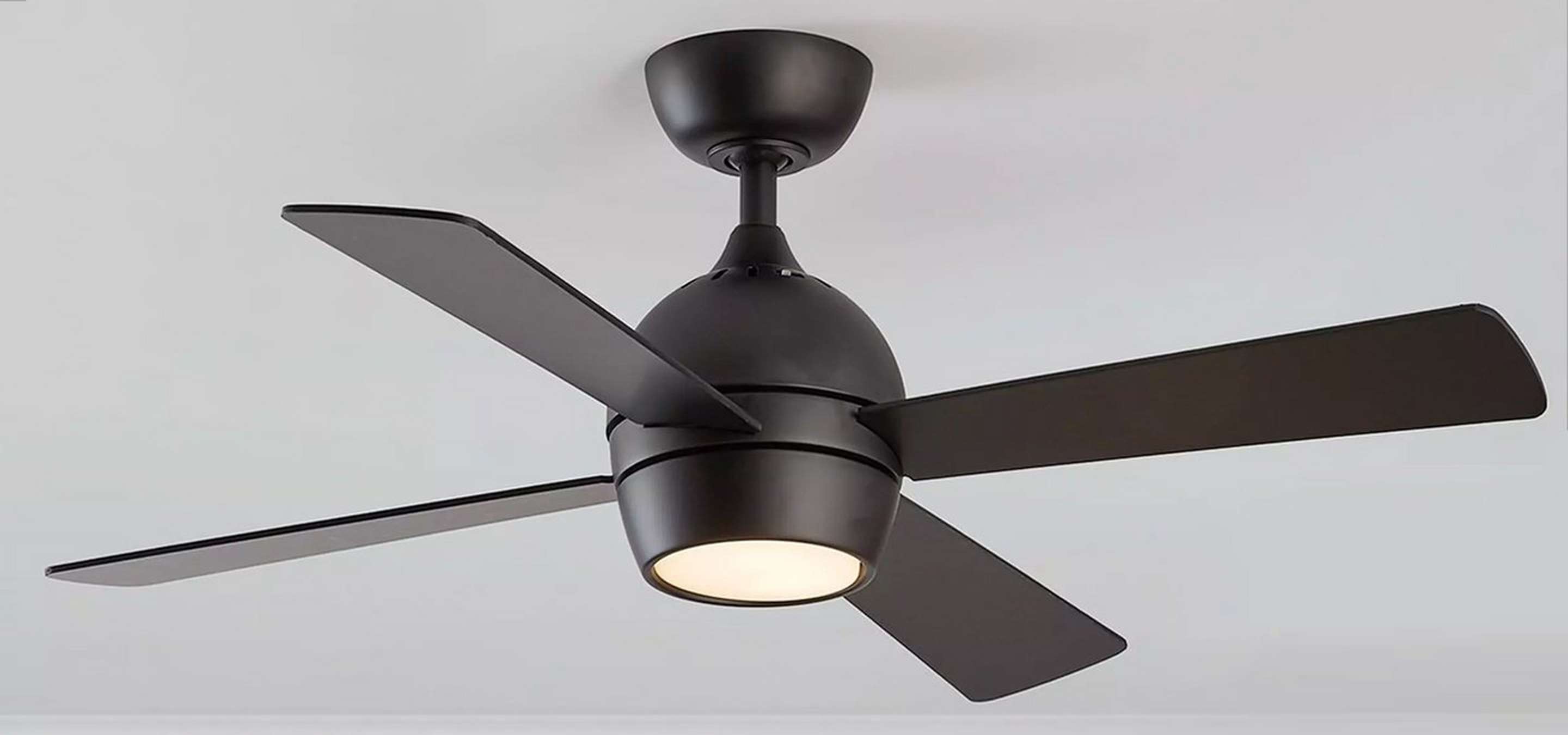
Motor type also plays a key role. DC motors are typically quieter, more energy-efficient, and more compact than traditional AC motors. While AC motors are still common and often more affordable, DC motors are becoming increasingly popular for their superior performance and reduced noise levels.
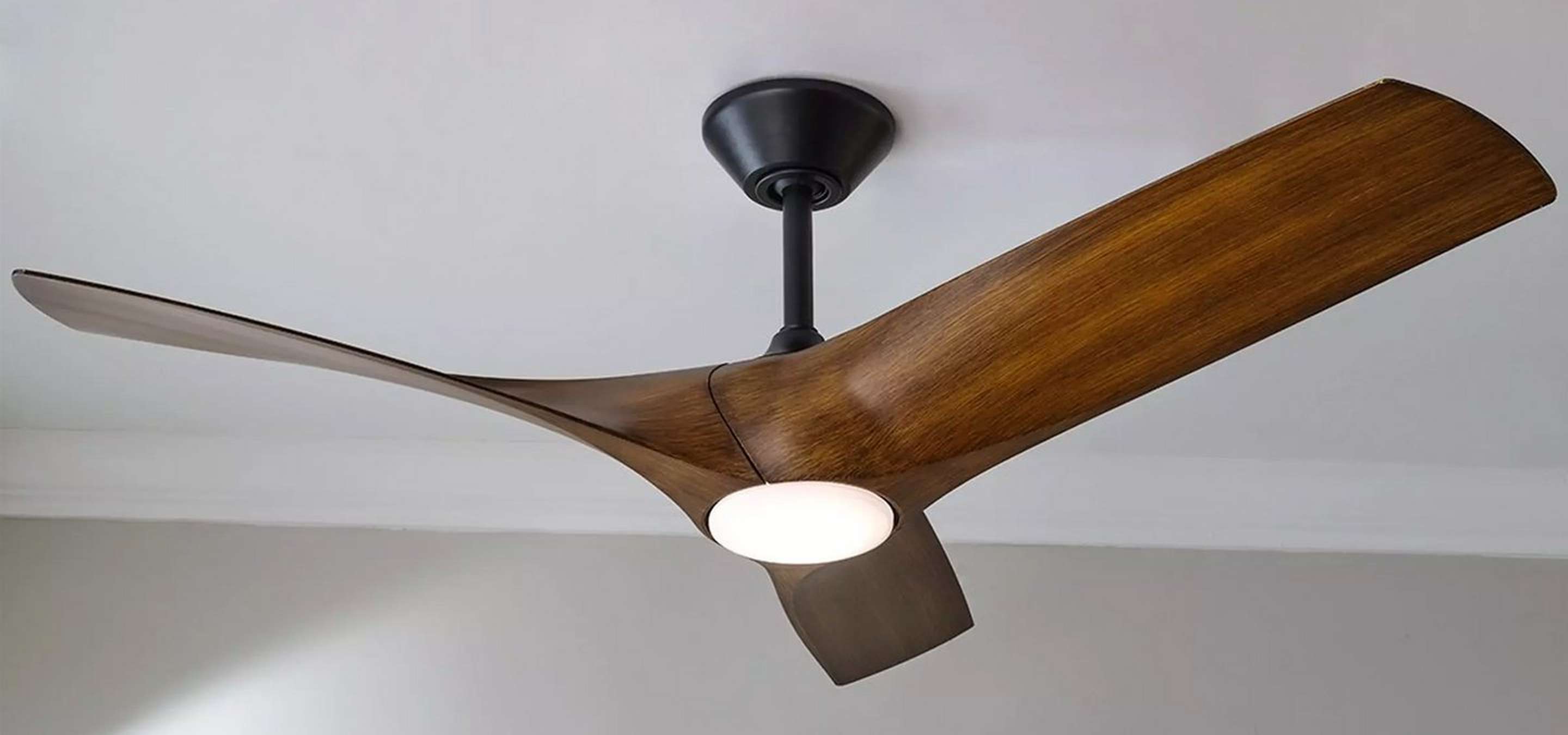
Another feature to consider is a reversible motor, which allows the fan to change direction depending on the season. In the summer, the fan spins counterclockwise to push cool air downward. In the winter, reversing the direction helps circulate warm air that rises to the ceiling, improving overall comfort.
Ceiling Fan Features and Controls
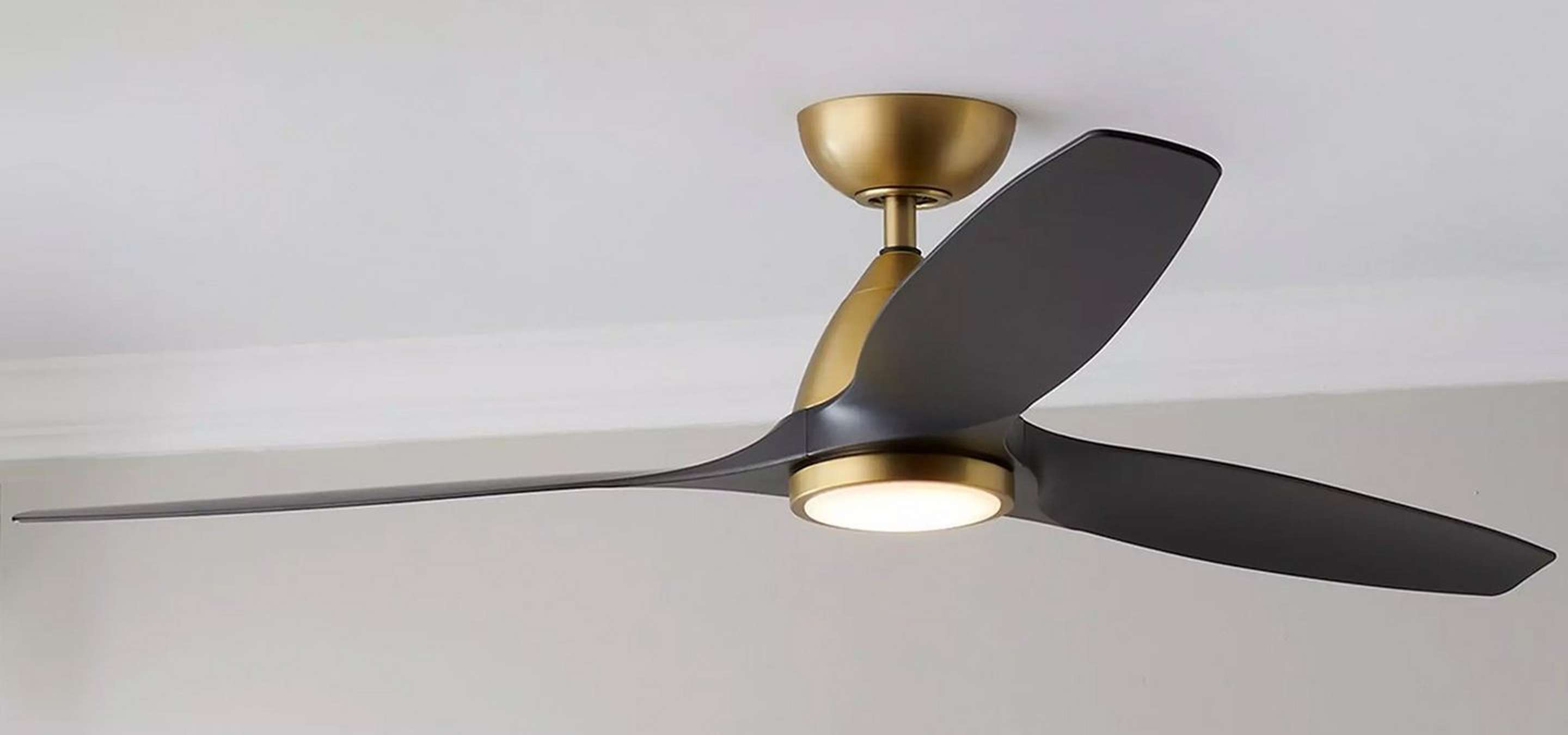
Many modern ceiling fans come with features designed to enhance convenience and versatility. Fans with integrated light kits are a popular choice, especially in rooms where additional lighting is needed. LED light kits are particularly efficient and long-lasting, making them a smart option for energy-conscious homeowners.
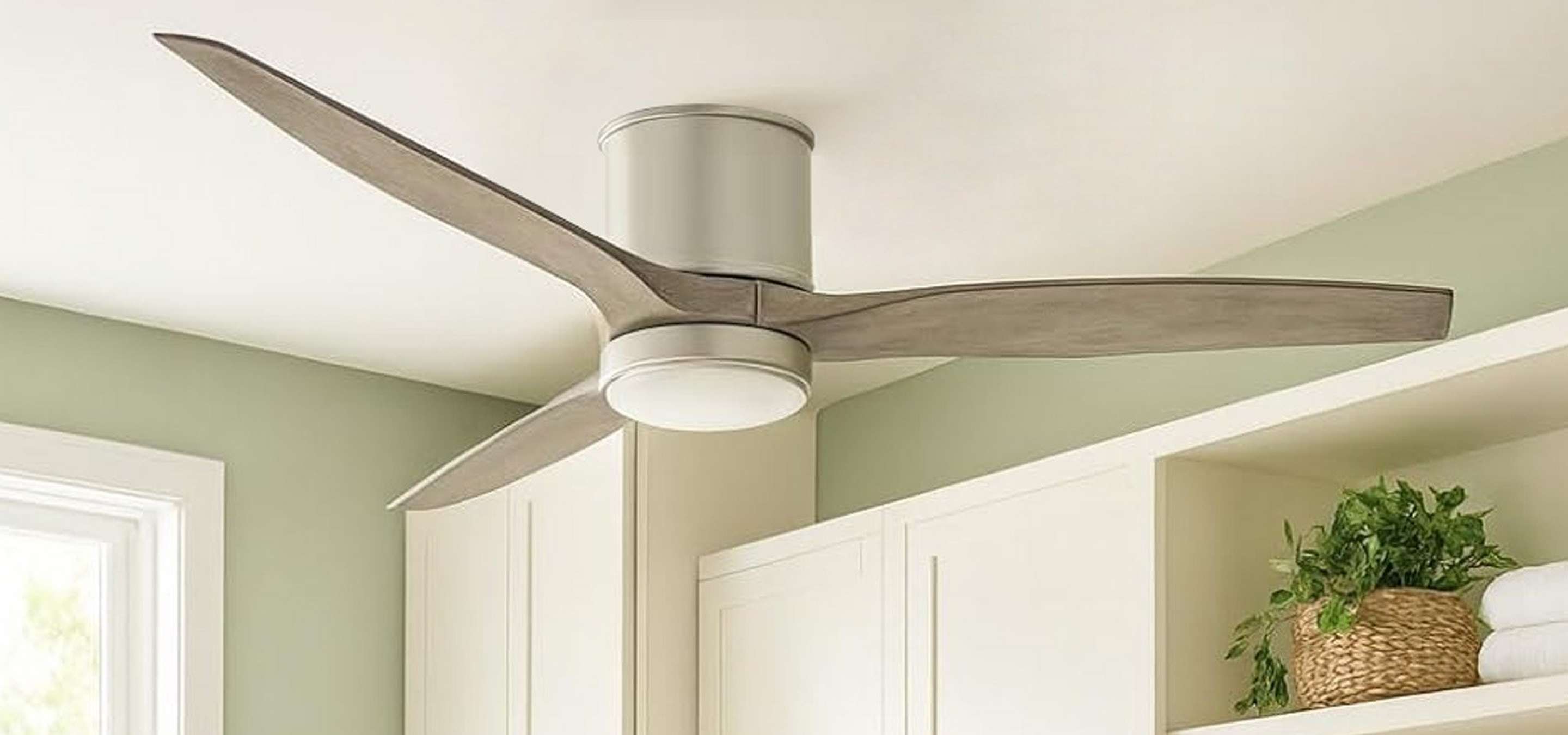
Control options have also evolved significantly. While traditional pull chains are still available, many fans now include wall controls, handheld remotes, or even smart home compatibility. These options allow you to adjust speed, lighting, and direction with ease, adding a layer of convenience to everyday use. Fan speed settings are another important feature. Most fans offer at least three speeds, while higher-end models may include five or more, giving you greater control over airflow and comfort.
Choosing a Quiet Ceiling Fan
For bedrooms and other quiet spaces, noise level is an important consideration. Fans with DC motors are generally the quietest option, as they produce less mechanical noise during operation. Proper installation also plays a major role in minimizing sound. Using the correct downrod length and ensuring all components are securely fastened can help prevent wobbling and unwanted noise. If a fan does become noisy over time, the issue is often caused by loose screws, unbalanced blades, or dust buildup. Regular maintenance can help keep your fan running smoothly and quietly.
Outdoor Ceiling Fans: What to Consider
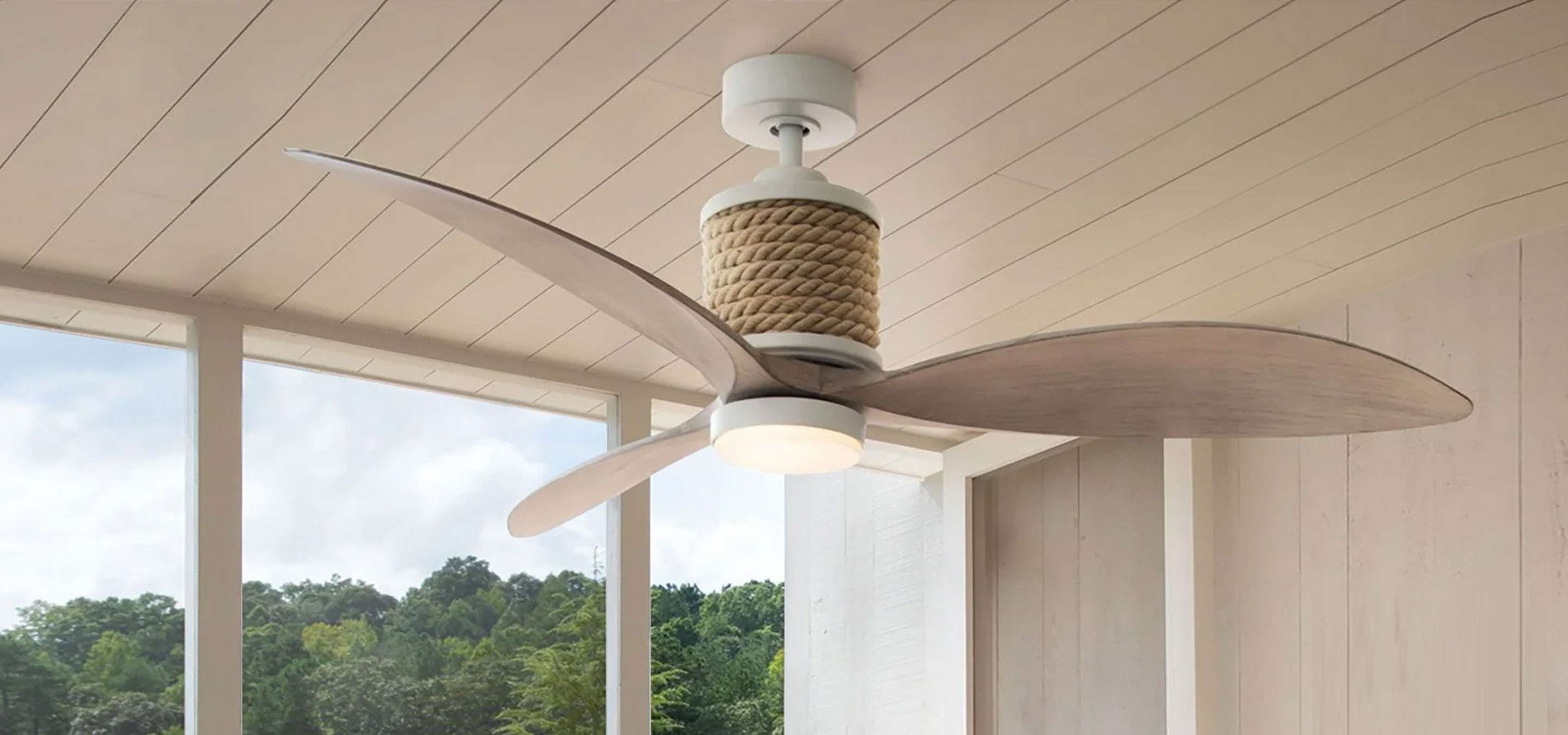
Outdoor ceiling fans are a great way to extend comfort to porches, patios, and other exterior spaces. In addition to cooling the area, they can help deter insects and improve air circulation. When selecting an outdoor fan, it’s important to choose the right rating for your environment. Damp-rated fans are suitable for covered areas that may be exposed to moisture, while wet-rated fans are designed to withstand direct exposure to rain and the elements. Using the correct type ensures both safety and durability.
Installation and Maintenance Tips
Installing a ceiling fan requires careful attention to safety, as these fixtures are heavier than standard light fixtures. For best results, it’s recommended to work with a licensed electrician who can ensure proper support and wiring.
Over time, even well-installed fans may develop minor issues such as wobbling. This is often caused by imbalanced blades or loose components. Cleaning the blades, tightening hardware, and using a balancing kit can usually resolve the problem and restore smooth operation.
Final Thoughts
Choosing the right ceiling fan doesn’t have to be complicated. By focusing on size, airflow, efficiency, and features, you can find a fan that enhances both comfort and style in your home. With the right selection, a ceiling fan becomes more than just a functional fixture—it becomes an integral part of your living space.